
What does a “head of quality” do?
“Move purposefully and fix things.”
Doc Pop
This role is all about systems thinking, operational excellence, and the long-term compounding effects of quality work.
Whether working in design, code, customer support, or leading teams of people, I believe everything valuable in building a durable business comes down to quality and maintenance:
- What we tolerate sets the standard for the company.
- What customers experience is the ground truth.
- When we fix known issues quickly, we build trust with our users.
- When the flywheel of quality spins faster, the business will grow organically, with new features built on a solid foundation.
Business growth
In a crowded market, quality creates gravity to attract customers organically, which leads to loyalty and expansion with lower marketing/sales costs.
While fixing small bugs might not 10x your growth overnight, not fixing them will make 10x growth impossible over time.
Casey Winters
Shared responsibility
Cultivate a culture of quality where every team, from engineering to customer support, feels responsible for the customer experience. Quality is a shared value and responsibility, not just a QA step.
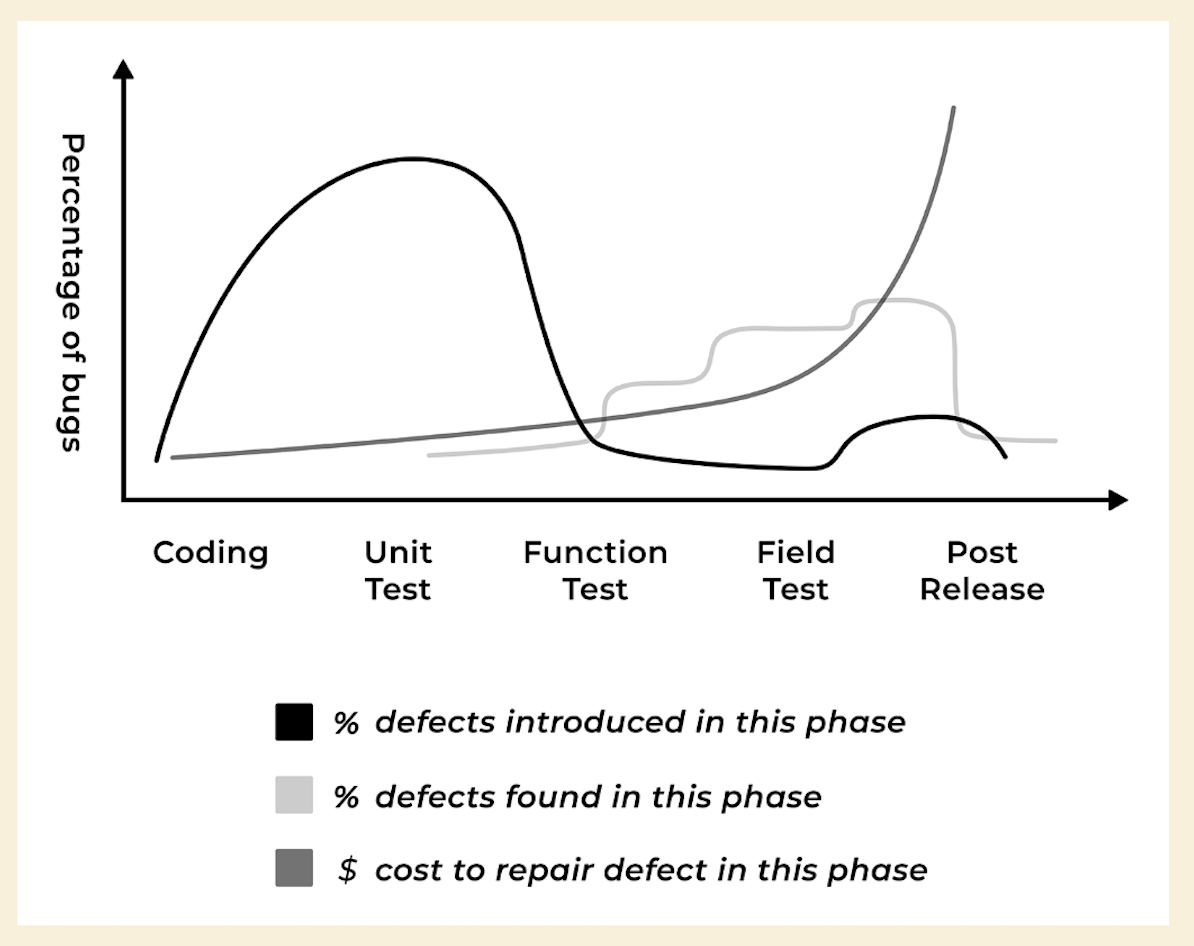
Move quickly to fix known bugs and the cost to repair only goes up to fix them later. “Fix issues before the ink is dry.”
Measure what matters: define clear metrics for quality and operational performance, review them relentlessly, but also listen to qualitative feedback – both data and intuition have a role.
- Establish clear standards and workflows, with tracking and stats to measure success; train folks on how to meet those standards and act as owners for their area.
- Ensure quality and housekeeping don’t go unowned; automate any audits and checks to save time and catch errors.
- Lightweight structure: just enough process.
Consistency
Operate from a standard, consistent set of tools across the company.
Standardization aims to:
- Improve execution: one tool to learn, one place to integrate with data, one place to add AI assistance.
- Increase visibility: single source of truth.
- Help corral costs: negotiate one bulk contract instead of many, smaller contracts w/ different vendors.
- Set & teach a higher standard: speed up training & onboarding, maximize the best of each tool.
- Spread knowledge & skills: give team members a smoother switch between teams inside the company.
- Speed: encourage a shipping mindset, where teams are empowered to build game-changing products faster, instead of wrangling a tool/vendor.
Many of the culture changes we seek as a company are powered by foundational quality work to streamline data, tools, and documentation. This sounds basic; yet, when this foundational work is in place, everything else operates better.
Feedback loops
Craft plus context for faster feedback loops.
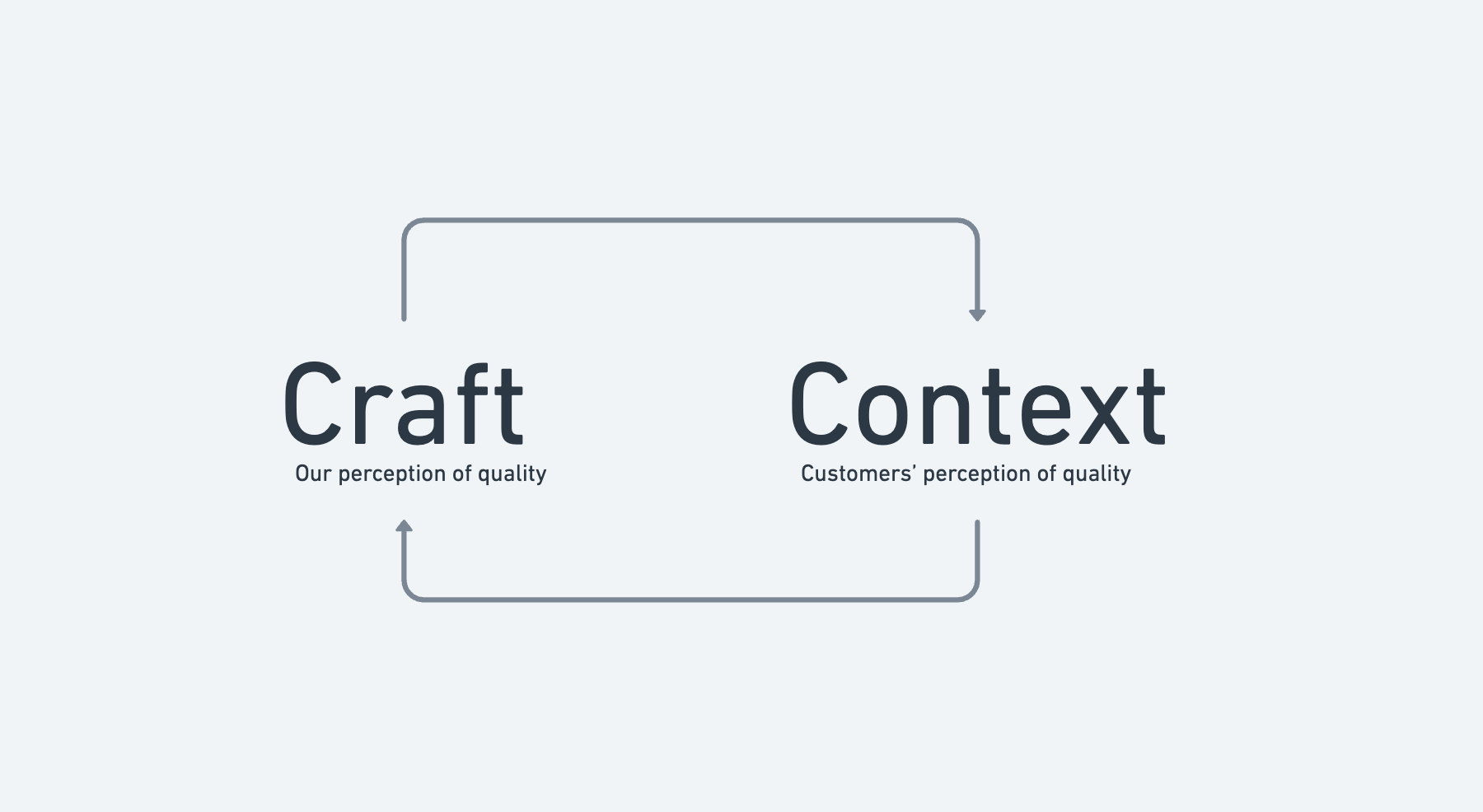
- Craft: Quality as we see it; e.g., technical quality from building and testing code pre-release.
- Context: Quality as others see it. Oxygen in from outside, via customers and the community.
Put it all together
A world-class “head of quality” pays attention to both the big picture (strategy: culture, mindset, consistency) and oversees the day-to-day details (execution: bug fixing, automated testing, and quality metrics).
See also: Companies with dedicated quality efforts by Anthony Hobday.

 The Full Stack Leader
Leave a comment